- Home
- Knowledge & Research Center
- Scientific Articles
- Why Treating One Tooth Sometimes Requires Looking at the Whole Patient
Why Treating One Tooth Sometimes Requires Looking at the Whole Patient
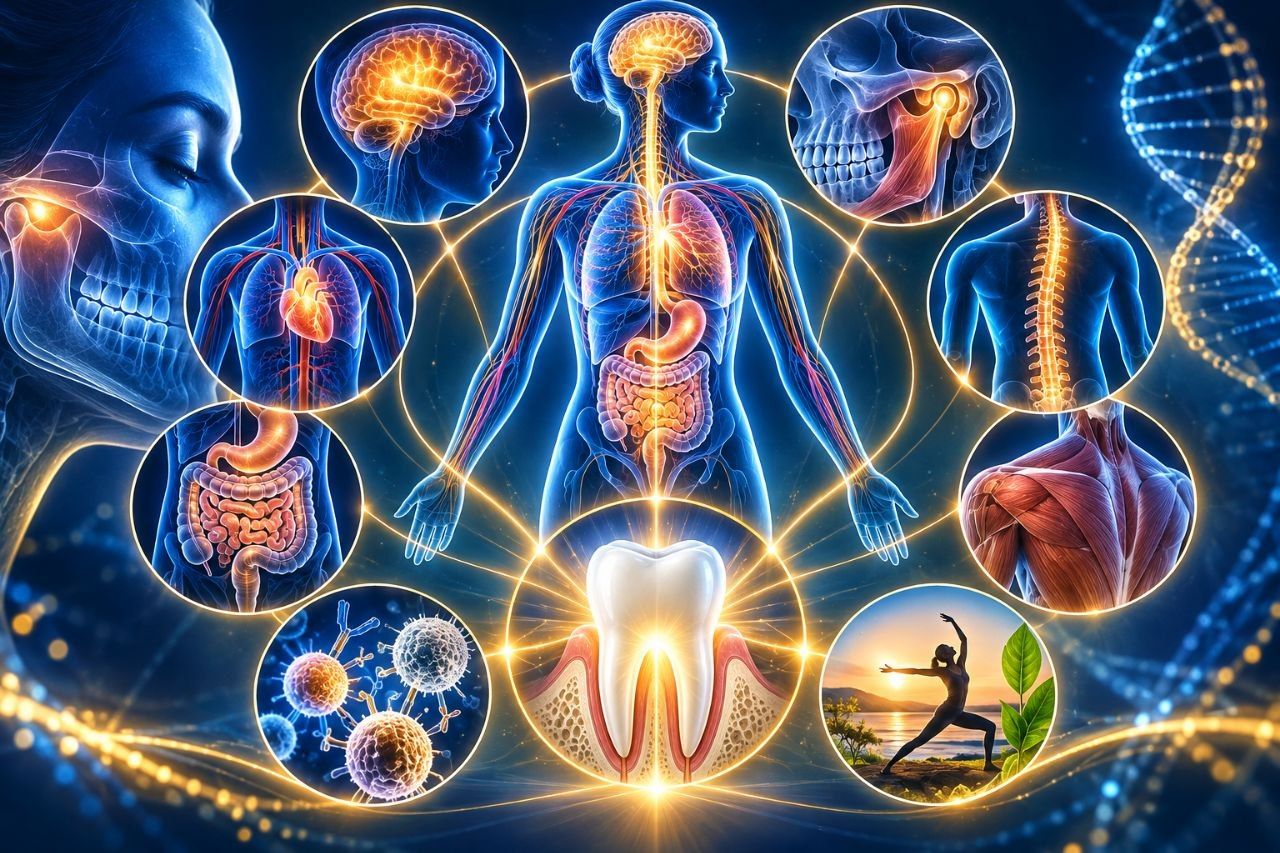
How a local dental problem is assessed in the context of function, occlusion, tissues, and the patient’s individual characteristics
Why Treating One Tooth Sometimes Requires Looking at the Whole Patient
The problem may appear local – pain, sensitivity, fracture, tooth wear, or a compromised restoration. However, the reason for its development or recurrence may not always be found in the tooth alone.
From a Local Problem to Comprehensive Assessment
Every tooth functions as part of a larger system. Its condition may be influenced by occlusion, the masticatory muscles, adjacent and opposing teeth, periodontal tissues, functional habits, and the individual characteristics of the patient.
Therefore, in selected clinical cases, the local examination is complemented by a broader assessment of function and other factors that may be relevant to the long-term treatment outcome.
Why the Root Cause Matters
Restoring the affected tooth may resolve the immediate problem. However, if the factors that contributed to its development remain unrecognized, the risk of functional overload, recurrent damage, or compromise of the treatment outcome may persist.
At Laser Dental Clinic, we use MFSP™ – Medical Functional Stability Protocol as a framework for comprehensive individualized assessment. Depending on the individual case, clinical findings may be considered together with diagnostic imaging, occlusal and functional analysis, tissue condition, and other indicated diagnostic data.
From Diagnosis to an Individualized Decision
Not every patient requires every diagnostic method, and not every local problem requires comprehensive treatment. The scope of assessment is determined individually according to clinical need.
The aim is to select the most appropriate treatment for the individual patient – considering not only the restoration of a single tooth, but also the conditions necessary for its function and long-term stability.