- Home
- Clinical Disciplines
- Pediatric Dentistry & Early Functional Development
Pediatric Dentistry & Early Functional Development
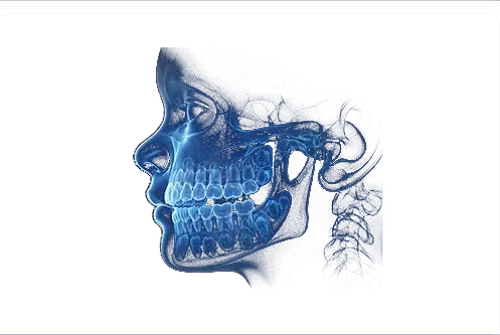
At Laser Dental Clinic, paediatric dentistry is not limited to treating an individual primary or permanent tooth. We monitor oral health, eruption and transition of the dentition, growth, occlusion and functional development over time.
Our core principle is early diagnosis, prevention, maximum preservation of healthy dental tissues and selection of the least invasive appropriate method according to the child's age, diagnosis, developmental stage and ability to cooperate.
1. Initial Diagnostics and Individual Assessment
Diagnostics are adapted to the child's age and presenting problem. The aim is to identify not only existing disease, but also risk factors that may influence future development.
- clinical examination of primary and permanent teeth;
- assessment of oral hygiene and gingival/periodontal health;
- assessment of eruption and dentition transition;
- caries-risk assessment and previous caries activity;
- photographic documentation when required;
- radiographic diagnostics only when clinically indicated;
- early assessment of occlusion, growth and functional development.
2. Diagnostics Before Caries Treatment
Before selecting a treatment method, each carious lesion and the condition of the tooth are assessed individually.
- clinical assessment of lesion location, activity and depth;
- DIAGNOcam / transillumination diagnostics when appropriate;
- bitewing or sectional intraoral radiography when required;
- assessment of pulpal status and vitality in permanent teeth according to age and clinical circumstances;
- evaluation for pulpal or periapical involvement;
- in primary teeth, assessment of physiological root resorption and the relationship to the developing permanent successor;
- assessment of individual caries risk, dietary factors, oral hygiene and previous caries activity.
The diagnosis determines whether a lesion requires monitoring and remineralisation, minimally invasive operative treatment, or pulp/endodontic treatment. The most appropriate technique is selected only after this assessment.
3. Minimally Invasive Caries Treatment
In both primary and permanent teeth, the objective is to remove irreversibly damaged tissue while preserving as much healthy tooth structure as possible. The method is selected according to the individual lesion and the child.
- laser-assisted treatment of carious lesions when clinically indicated;
- BRIX enzymatic/chemomechanical caries removal;
- Al₂O₃ air abrasion when clinically appropriate;
- conventional minimally invasive mechanical treatment;
- combined techniques when clinically justified;
- non-operative remineralisation and preventive therapy for initial non-cavitated lesions.
When clinically appropriate, laser treatment may allow treatment without injectable local anaesthesia or with a reduced need for it. When anaesthesia is required for safe and comfortable treatment, it is administered.
In appropriately selected cases, laser treatment may reduce the need for conventional rotary instrumentation. It is used as part of a minimally invasive strategy rather than as a universal replacement for all other techniques.
4. Prevention and Caries-Risk Control
Prevention is an active therapeutic component of paediatric dental care.
- individual oral-hygiene education;
- professional oral hygiene according to age and risk;
- fluoride prevention when indicated;
- fissure sealants for appropriate teeth and risk profiles;
- remineralisation protocols;
- dietary guidance;
- individual recall intervals based on caries risk.
5. Pulp and Endodontic Treatment of Primary Teeth
Deep caries or pulpal involvement in a primary tooth does not automatically lead to extraction. We assess whether preserving the tooth is feasible and meaningful, the stage of physiological root resorption, the presence and extent of infection, surrounding tissues and the relationship to the permanent successor.
When preservation is indicated, an appropriate pulp-therapy or endodontic protocol is selected. Laser decontamination may be incorporated as an adjunctive step when clinically indicated, with consideration of the specific anatomy and biology of the primary tooth.
6. Pulp and Endodontic Treatment of Young and Mature Permanent Teeth
Treatment of permanent teeth is adapted to pulpal status and the stage of root development. In young permanent teeth, priority is given to preserving viable tissues and conditions for continued development whenever biologically possible.
When root canal treatment is required, contemporary mechanical and chemical protocols are used. Laser-assisted decontamination may be added to reduce microbial load. It does not replace the essential mechanical and chemical preparation of the root-canal system.
7. Extraction of Primary Teeth and Laser Assistance
Extraction of a primary tooth is undertaken when clear clinical indications exist - for example, when the prognosis for preservation is poor, infection or structural destruction prevents predictable treatment, physiological replacement is advanced, or another orthodontic/therapeutic indication is present.
Before extraction, the stage of root resorption, position of the permanent successor, local infection and any subsequent need for space maintenance are assessed.
- atraumatic extraction technique whenever feasible;
- laser assistance for soft tissues when clinically indicated;
- adjunctive laser decontamination when clinically applicable;
- postoperative photobiomodulation / low-level laser therapy when indicated to support local recovery and comfort.
We do not use the term 'laser extraction' to imply that a tooth is removed solely by laser. Laser technology is integrated as an adjunct where it provides a clinical benefit.
8. Dental Trauma in Children
Trauma to a primary or permanent tooth requires timely clinical assessment and radiographic examination when indicated. Treatment depends on the type of injury, age, stage of root development and condition of the surrounding tissues.
Follow-up after trauma is essential because some complications may become apparent only later.
9. Gingival and Periodontal Health
Plaque control, management of gingival inflammation and professional prevention are particularly important during mixed dentition and orthodontic treatment. When needed, the child is enrolled in an individual preventive or maintenance programme.
10. Early Assessment of Occlusion, Growth and Development
We monitor eruption, space for permanent teeth, relationships between the dental arches and signs of functional or skeletal deviation. Early identification of a problem does not automatically mean that orthodontic treatment should begin immediately.
Intervention is recommended when there is a clear diagnostic indication, appropriate timing in relation to growth and a realistic expected benefit.
11. Orofacial Functions
When indicated, breathing, tongue posture and function, swallowing, lip function and other orofacial habits are assessed. Identified functional factors are interpreted in the context of occlusion and growth.
Individual exercises or referral to another appropriate specialist may be recommended when required.
12. Functional Orthodontics and ORTHO-T
When appropriate, the child may be referred for extended functional orthodontic diagnostics and an ORTHO-T approach. Growth, occlusion, muscular function, TMJ status and orofacial functions are assessed; in selected cases diagnostics may be supplemented by Teethan EMG and postural assessment.
Functional treatment requires an individual plan, active cooperation and periodic reassessment. When necessary, it may be followed by or combined with other orthodontic methods.
13. Postural Assessment - Only When Clinically Indicated
In selected cases, functional assessment may be complemented by APECS and other clinical postural tests. Postural findings are not automatically regarded as the cause of a dental problem; they are interpreted together with the other clinical findings.
14. The Child as a Partner in Treatment
The clinical approach is adapted to age, temperament and ability to cooperate. The aim is for the child gradually to develop trust, understanding and personal responsibility for oral health.
Parents receive information about the diagnosis, available treatment methods, the need for anaesthesia, expected benefits and limitations, home care and the need for follow-up visits.
15. Follow-up and Individual Preventive Programme
Recall intervals are not the same for every child. They are determined according to caries risk, gingival health, dentition transition, orthodontic status and individual needs.
The objective is to identify problems early, when treatment can usually be more conservative and less invasive.
Clinical Algorithm
Early diagnostics → individual risk assessment → prevention and biological stabilisation → minimally invasive / laser-assisted treatment when indicated → pulp and infection control → monitoring of eruption, occlusion and function → functional/orthodontic intervention only when indicated → individual long-term prevention.
Our Principle
We do not treat only the primary or permanent tooth. We monitor the health, function and development of the child's masticatory system over time.
Our Goal
A healthy dentition, maximum preservation of natural tissues, a calm and confident relationship with dental care, and timely support for appropriate functional development.