- Home
- Clinical Disciplines
- Sports Dentistry & Dental Trauma
Sports Dentistry & Dental Trauma
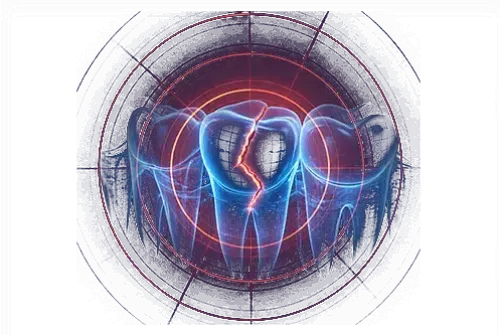
When every minute matters.
Sports-related injuries to the teeth and maxillofacial region require timely, precise and coordinated assessment. Appropriate management during the first minutes and hours can be decisive for preserving the natural tooth and its long-term prognosis.
At Laser Dental Clinic, we follow an integrated approach: urgent assessment, biological stabilisation, maximum preservation of natural tissues, restoration of function and long-term follow-up.
1. Injuries We Assess and Treat
- crown fractures and cracks;
- crown-root and root fractures;
- concussion, subluxation and luxation injuries;
- complete avulsion of a permanent tooth;
- alveolar fractures and injuries to supporting tissues;
- injuries to the lips, gingiva and other soft tissues;
- trauma to primary teeth;
- late complications following previous sports-related or other dental trauma.
2. Urgent Diagnostics
Diagnostics are determined by the type and severity of the injury. The objective is to identify damaged structures, pulpal and periodontal status, fractures and risks to surrounding tissues.
- detailed history of the mechanism and timing of injury;
- clinical examination including mobility, position and occlusion;
- intraoral radiographs;
- CBCT for specific clinical indications;
- pulp sensibility/vitality testing with follow-up over time;
- photographic documentation;
- soft-tissue assessment;
- occlusal and functional analysis when required.
A negative pulp test immediately after trauma does not necessarily indicate irreversible loss of pulp vitality. Findings are interpreted together with the clinical picture and subsequent follow-up.
3. Biological Stabilisation
Initial management aims to limit additional trauma, infection and pain and to create conditions for healing.
- pain and inflammation control;
- repositioning and stabilisation/splinting when indicated;
- management of soft-tissue injuries;
- infection control;
- laser-assisted decontamination when appropriate;
- photobiomodulation / low-level laser therapy as an adjunct when indicated;
- individual instructions regarding diet, hygiene, physical activity and follow-up.
4. Avulsion - When a Permanent Tooth Is Completely Knocked Out
Avulsion of a permanent tooth is a dental emergency. Extra-alveolar time and the storage conditions of the tooth have a major influence on prognosis.
An avulsed permanent tooth should be handled by the crown, not the root. If contaminated, it may be gently and briefly rinsed without scrubbing the root. When immediate replantation is not possible or cannot be performed safely at the scene, the tooth should be kept in a physiologically appropriate storage medium and dental care sought as quickly as possible.
An avulsed primary tooth must not be replanted.
5. Trauma to Primary Teeth
Management of primary-tooth trauma considers not only the injured tooth but also the risk to the developing permanent successor. Position, mobility, occlusal interference, soft tissues and the relationship to the permanent tooth germ are assessed.
The aim is to minimise additional damage and follow the child until healing or physiological tooth replacement.
6. Trauma to Young Permanent Teeth
In a permanent tooth with incomplete root development, whenever biologically feasible, we aim to preserve pulp vitality and the potential for continued root maturation.
Treatment depends on the type of injury, pulp exposure, stage of root development, time since trauma and subsequent clinical findings.
7. Endodontic and Laser-Assisted Treatment
If pulp necrosis develops or another indication for endodontic treatment arises, an individual protocol is selected according to tooth maturity, root development and the nature of the injury.
Laser-assisted decontamination may be incorporated as an adjunct to standard mechanical and chemical root-canal treatment when clinically indicated. It does not replace the essential stages of endodontic therapy.
8. Restoration of the Traumatised Tooth
Once biological stability has been achieved, the most tissue-preserving appropriate restoration is selected.
- adhesive composite restoration;
- reattachment of a preserved crown fragment when appropriate;
- partial ceramic or other indirect restorations when indicated;
- fibre post and core only when required by the remaining tooth structure and clinical situation;
- aesthetic and functional reconstruction;
- prosthetic restoration in cases of greater tissue loss after completion of the necessary preparatory stages.
9. Surgical and Multidisciplinary Management
Some injuries require surgical treatment or coordination between endodontics, periodontology, orthodontics, oral surgery and prosthodontics. Where a more extensive maxillofacial injury is suspected, the patient is referred to an appropriate emergency or specialist service.
The objective is to preserve the natural tooth whenever biologically and functionally justified without compromising patient safety.
10. Occlusion and Functional Rehabilitation
Trauma may alter tooth position, occlusal contacts and load distribution within the masticatory system. Occlusal and functional analysis is therefore performed when required.
- assessment of occlusion following trauma;
- management of premature or traumatic contacts;
- TMJ and muscular-function assessment when indicated;
- Teethan EMG when functionally required;
- orthodontic stabilisation or pre-prosthetic orthodontics when necessary;
- functional orthodontics / ORTHO-T when appropriately indicated;
- staged restoration of appropriate occlusal relationships.
11. Follow-up After Trauma
Dental trauma does not end with the first appointment. Some complications may develop weeks, months or even later.
- monitoring of pulp status and vitality;
- radiographic follow-up when indicated;
- monitoring for inflammatory or replacement root resorption and other complications;
- assessment of periodontal and periapical tissues;
- monitoring colour, symptoms, mobility and occlusion;
- monitoring growth and eruption in children and adolescents;
- functional reassessment before definitive rehabilitation.
12. Individual Protection for Athletes
Prevention is an essential part of sports dentistry. We provide custom sports mouthguards for contact and high-risk sports, designed according to age, dentition, occlusion, sport type and intensity, and individual functional characteristics.
For children and adolescents, continuing growth and tooth eruption are considered. During orthodontic treatment, or in the presence of implants or prosthetic restorations, mouthguard design is adapted to the individual clinical situation.
We work with athletes participating in boxing, MMA, Brazilian jiu-jitsu, karate, judo, taekwondo, kickboxing, wrestling, rugby, hockey, basketball, volleyball, football, cycling, skiing and snowboarding, as well as other sports associated with a risk of dental and maxillofacial trauma.
13. Return to Sport
Return to training and competition is determined individually according to the type of injury, stability of the tooth and supporting tissues, treatment performed, symptoms and risk of re-injury.
Temporary modification of activity and subsequent use of individual sports protection may be recommended.
Urgent Assessment
Laser Dental Clinic provides urgent assessment and priority management of dental trauma within the clinic's availability and working hours. Severe maxillofacial trauma, uncontrolled bleeding, loss of consciousness or suspected general injury requires immediate medical assessment.
Clinical Algorithm
Urgent assessment → diagnostics → biological stabilisation → preservation of the natural tooth whenever possible → restoration → occlusal and functional analysis → orthodontic/prosthetic rehabilitation when required → individual sports protection → controlled return to sport → long-term follow-up.
Our Goal
To preserve the natural tooth whenever possible and clinically justified, restore biology, aesthetics and function, and help the athlete return to sport with appropriate individual protection.