- Home
- Clinical Disciplines
- Functional Orthodontics - Ortho-T Center
Functional Orthodontics - Ortho-T Center
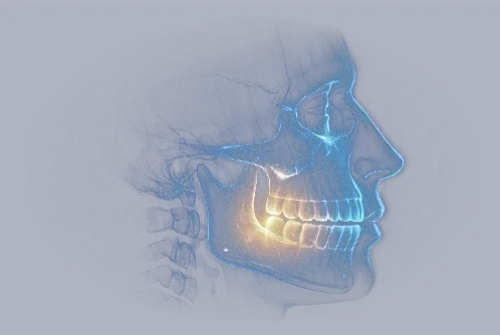
Functional Diagnostics, Growth & Development, Muscular-Occlusal Balance, Individualised Treatment
Functional orthodontics considers an orthodontic problem not only in terms of individual tooth position, but also in the context of growth, occlusion, masticatory muscles, temporomandibular joints and orofacial functions. When clinically indicated, assessment may also include postural analysis.
The aim is to plan orthodontic correction within the patient's biological boundaries and within the functional environment in which the achieved result must remain stable.
1. Functional Diagnostics
Before selecting a functional or combined treatment approach, an individual assessment is performed. Depending on the case, it may include:
- clinical orthodontic and functional examination;
- assessment of occlusion and functional contacts;
- assessment of the masticatory muscles;
- TMJ assessment;
- evaluation of tongue function, swallowing, breathing and other orofacial functions;
- photographic and digital diagnostic documentation;
- panoramic radiography and lateral cephalometric radiography (CEPH) with cephalometric analysis when indicated;
- periodontal and bony support assessment before planning tooth movement.
2. Growth and Functional Development
In children and adolescents, growth and development are essential parts of the diagnostic process. Dental and skeletal relationships, growth direction and potential, and functional factors that may influence craniofacial development are assessed. The aim is to adapt treatment timing and method to the individual patient rather than apply the same protocol to everyone.
3. ORTHO-T – Functional Treatment Approach
ORTHO-T may be incorporated into functional orthodontic treatment when clinically indicated. Treatment requires an individual plan, active patient cooperation, adherence to the prescribed regimen, exercises when required and periodic review. Treatment effects are monitored clinically and, when necessary, through comparative functional assessments. If cooperation is insufficient or treatment objectives change, the plan is reassessed.
4. Muscular-Occlusal Analysis and Teethan EMG
When indicated, Teethan surface electromyography is used for functional assessment of the masticatory muscles. The examination may support assessment of symmetry, coordination and muscular activity during occlusal loading. EMG findings are interpreted together with the clinical examination and other diagnostic data; they do not constitute a stand-alone diagnosis.
5. Tongue, Breathing, Swallowing and Orofacial Function
Tongue posture and function, swallowing pattern, breathing and orofacial habits may be relevant to development and to the stability of the orthodontic result. When a functional need is identified, individual exercises may be included or interdisciplinary referral to an appropriate specialist may be recommended.
6. Temporomandibular Joints and Occlusion
TMJ status and occlusion are assessed as part of the overall functional picture. When symptoms or clinical findings are present, extended diagnostics are performed and the treatment plan is adapted to the identified condition.
7. Postural Assessment – When Indicated
In selected patients, functional assessment may be complemented by APECS and other clinical postural tests. Posture, symmetry and selected relationships along the kinetic chain are assessed. Relationships between occlusion, the craniocervical region, pelvis, lower limbs and feet are not automatically assumed to represent a linear cause-and-effect relationship. They are evaluated individually and considered clinically relevant only when findings are reproducible and pertinent to the individual patient. When indicated, supplementary functional tests, individual aids or exercises may be used to support postural and muscular control, followed by reassessment.
8. Combined Treatment
Functional treatment and orthodontic tooth movement are not mutually exclusive approaches. In suitable cases, treatment may be sequential or combined. Changing from one method to another is not automatically considered a 'next phase'. When the treatment method changes, current diagnostic data are reassessed and a treatment plan is prepared according to the new findings.
- functional preparation → subsequent clear-aligner treatment;
- ORTHO-T → reassessment → limited or comprehensive orthodontic correction;
- functional monitoring during clear-aligner treatment;
- combination with another orthodontic technique when the required tooth movements indicate it.
9. Monitoring, Retention and Long-Term Stability
Follow-up may include clinical and occlusal assessment, photographic and digital comparisons, Teethan EMG and postural reassessment when indicated. Individual retention is prescribed after active treatment. Long-term stability depends on multiple factors – tooth position, growth, periodontal support, occlusion, muscular function, orofacial habits and patient cooperation.
Clinical Algorithm
Diagnosis → functional and growth analysis → definition of biological boundaries → individual treatment method → monitoring and reassessment → combined orthodontic treatment when required → retention and long-term follow-up.
Our Principle
We do not treat tooth position alone. We assess the patient as a functional system and select the method according to the individual diagnosis, age, growth, biological boundaries and realistic level of patient cooperation.
Note: The scope of diagnostics and treatment is determined individually. Functional, EMG and postural assessments complement, but do not replace, standard orthodontic and medical diagnostics.
Read more: